Gotu Kola Leaves: Health-Friendly Leaves for Ayurveda, Cosmetics, and Daily Use
Gotu Kola leaves, also known as Pennywort, Centella asiatica, Thankuni pata, and by many other regional names, have held a steady place in traditional wellness systems for centuries. Pegged as the "herb of longevity," this humble plant is far more than a fleeting health trend. Whether you are exploring natural remedies, evaluating cosmetic ingredients, or considering a new leafy green for your diet, Gotu Kola leaves offer a versatile option worth understanding. This article provides a balanced look at what makes Gotu Kola leaves distinct, how they compare with other herbal options, and where they fit best in modern routines.
What Makes Gotu Kola Leaves Distinct?
Gotu Kola is a perennial herb native to wetlands in Asia, and its leaves have been used in Ayurvedic, Chinese, and Indonesian medicine for hundreds of years. Unlike many herbs that are valued solely for culinary or medicinal purposes, Gotu Kola bridges several categories: it is a daily-use vegetable, a traditional remedy, and an increasingly popular ingredient in skincare and cosmetic products. Its nickname, "herb of longevity," reflects its reputation for supporting overall vitality, cognitive function, and skin health.
The leaves themselves are small, fan-shaped, and have a mild, slightly earthy flavor. In many parts of South and Southeast Asia, they are eaten raw in salads, cooked in soups, or blended into juices. This dual role as both a food and a therapeutic herb sets Gotu Kola apart from many other botanicals. You are not limited to capsules or extracts; you can incorporate the fresh leaves directly into your meals.
Ayurvedic and Medicinal Uses
In Ayurveda, Gotu Kola is considered a rasayana — a rejuvenating herb that promotes longevity and supports the body's natural healing processes. It is traditionally used to support mental clarity, reduce mild anxiety, and promote restful sleep. Modern research has begun to examine these claims, with studies suggesting that compounds in Gotu Kola, such as triterpenoids, may support cognitive function and circulation.
When comparing Gotu Kola to other Ayurvedic herbs like Brahmi (Bacopa monnieri), there is overlap but also key differences. Both herbs are used for cognitive support, but Gotu Kola is more often associated with wound healing, skin health, and connective tissue support. Brahmi tends to be more directly linked to memory enhancement. If your focus is on skin repair or overall tissue health, Gotu Kola may be the more appropriate choice. For targeted cognitive support, you might prefer Brahmi or even combine them under professional guidance.
Cosmetic and Skincare Applications
Nowadays, Gotu Kola is a must-have cosmetic element in many natural and clinical skincare lines. Its triterpenoid content, particularly asiaticoside, madecassic acid, and asiatic acid, stimulates collagen production and supports wound healing. This makes it a popular ingredient in anti-aging creams, serums, and ointments for scars or stretch marks.
If you are evaluating cosmetic ingredients, Gotu Kola compares favorably with synthetic alternatives like retinoids, which can cause irritation. Gotu Kola is generally well-tolerated and works gently over time. However, it is not a quick fix. Results from Gotu Kola-based products are typically gradual, making it a better fit for long-term maintenance than for immediate dramatic changes. For acute skin concerns like severe acne or deep wrinkles, you may need more targeted treatments alongside Gotu Kola.
Daily Use as a Vegetable and Spice
In many households, Gotu Kola is simply a part of everyday eating. The leaves are used in salads, chutneys, soups, and stir-fries. In Bengali cuisine, Thankuni pata is often served with rice and lentils, or made into a digestive tonic. This everyday use means you can access its health benefits without any special preparation or supplementation.
If you are comparing Gotu Kola to other leafy greens like spinach, kale, or moringa, it offers a unique phytochemical profile that supports connective tissue and circulation, which is less emphasized by typical greens. However, it is lower in iron than spinach and has a milder flavor than kale. For general nutrition, a mix of greens is ideal — Gotu Kola can be a valuable addition rather than a replacement.
Strengths of Gotu Kola Leaves
- Versatile across food, medicine, and cosmetics
- Gentle and well-tolerated by most people
- Supports skin health, wound healing, and mild cognitive function
- Accessible as a fresh leaf, dried herb, extract, or topical ingredient
- Long history of safe use in traditional systems
Tradeoffs and Limitations
- Results are typically gradual — not suitable for immediate or drastic effects
- Fresh leaves may not be easily available in all regions outside of Asia
- Some people may experience mild stomach upset or allergic reactions, though uncommon
- Not a replacement for medical treatment for serious conditions
- Should be used with caution during pregnancy or breastfeeding without professional advice
When Gotu Kola Is the Right Choice
Gotu Kola is a strong option if you are looking for a gentle, long-term herb that supports skin health, mild cognitive function, and overall tissue repair. It fits well in daily routines for people who want to prevent or manage minor skin issues, support wound healing, or incorporate a nutrient-dense green into their diet. If you prefer whole foods over supplements, fresh Gotu Kola leaves are an excellent choice.
When You May Need Another Option
If you have a specific medical condition that requires targeted treatment, or if you need fast results for acute skin concerns, Gotu Kola alone may not suffice. In such cases, it can be a complementary herb rather than a primary solution. Also, if you cannot access fresh or high-quality dried Gotu Kola, other herbs like moringa for general nutrition or calendula for wound healing may be more practical alternatives.
Practical Examples and Comparisons
Consider someone recovering from a minor skin wound or burn. Gotu Kola cream or ointment applied topically can support healing and reduce scarring. Compared to plain petroleum jelly, Gotu Kola offers active compounds that stimulate collagen, but it requires consistent application over weeks. For a simple moisturizing need, petroleum jelly is cheaper and more readily available.
For cognitive support, a student or professional looking for mental clarity might try Gotu Kola tea or extract. Compared to caffeine, Gotu Kola does not cause jitters or a crash, but its effects are subtle and build over time. For an immediate energy boost, caffeine or green tea may be more effective. For sustained calm focus, many users report a preference for Gotu Kola.
In the kitchen, adding a handful of fresh Gotu Kola leaves to a salad provides a different nutritional profile than adding arugula or spinach. The flavor is mild enough to mix well, and the health benefits lean toward connective tissue support and skin health. If you are aiming for high iron intake, spinach is a better choice. If you want variety in phytonutrients, including Gotu Kola broadens your intake.
Gotu Kola Vector Resources for Design Projects
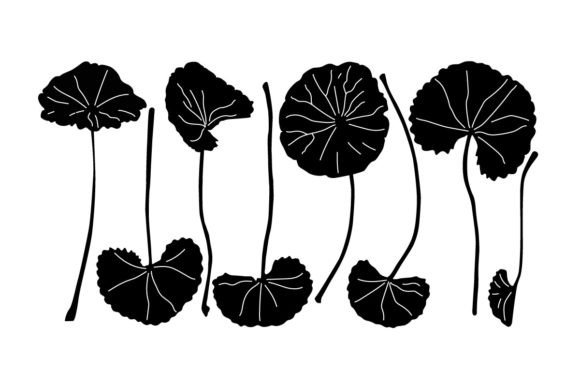
Beyond health and culinary uses, Gotu Kola leaves, flowers, and buds are popular subjects for vector illustration and graphic design. The clean silhouette of the leaf, with its fan-like shape and subtle organic details, makes it a favorite for natural, botanical-themed designs. Many designers and crafters seek high-quality Gotu Kola vector files for use in digital paper, scrapbooking, packaging, logo design, and other creative projects.
The prompt mentions hand-drawn illustrations converted into high-quality digital files. These vector resources typically come in formats like AI, EPS, PDF, SVG, DXF, JPEG, and PNG, often packaged in a ZIP file with 300 DPI resolution and RGB color mode. This is a practical resource for anyone creating a collage sheet, a digital kit, a scrapbook kit, or an image collection for craft projects. The editable nature of the vector files means you can adjust colors, scale elements, and combine them with other graphics for paper products, packaging, or other projects.
If you are comparing vector resources, the advantage of a well-made Gotu Kola vector set is the clarity and scalability of the drawings. SVG and DXF files are especially useful for cutting machines and engraving, while AI and EPS formats give designers full control in editing software. The inclusion of JPEG and PNG files with transparent or white backgrounds offers immediate use in presentations or quick mockups.
For crafters and DIY creators, these resources are relatively easy to use and adapt. If you are new to vector editing, you may prefer working with the PNG files first, then moving to editable formats as you gain confidence. The key tradeoff is between convenience (ready-made PNGs) and flexibility (editable AI or SVG files). Both have their place depending on your project and skill level.
Decision Factors for Choosing Gotu Kola in Different Contexts
When deciding whether to incorporate Gotu Kola leaves into your health routine, consider:
- Your primary goal: Skin health, cognitive support, or general nutrition?
- Access: Can you buy fresh leaves locally, or is a high-quality extract more practical?
- Patience with results: Are you comfortable with gradual, long-term benefits?
- Complementary use: Will you pair Gotu Kola with other herbs or treatments?
When evaluating Gotu Kola vector resources for design, think about:
- File format needed: Do you need SVG for cutting or AI for editing?
- Resolution and color mode: 300 DPI RGB is standard for digital and print.
- Ease of use: Do you have the software to edit vector files, or do you need ready-to-use PNGs?
- Project type: Scrapbooking, packaging, digital kit, or commercial merchandise?
Final Thoughts on Gotu Kola Leaves
Gotu Kola leaves are genuinely health-friendly, earning their reputation across Ayurveda, modern research, and everyday kitchens. Their versatility gives you room to choose how to use them — as a fresh green, a tea, a supplement, or a topical cream. Compared to other herbs and greens, Gotu Kola offers a distinct profile that supports skin and connective tissue, which is less common in typical leafy vegetables. It is not a miracle cure, but it is a reliable, gentle herb that fits well into a balanced routine.
For designers and crafters, Gotu Kola vector resources provide clean, editable botanical imagery that works for a wide range of projects. Whether you are creating a digital scrapbook kit, packaging, or a handmade collage, the leaf silhouette is both recognizable and adaptable.
Ultimately, Gotu Kola leaves are what you make of them — a health ally, a culinary ingredient, a design element, or all of the above. Knowing what they offer, and what they do not, helps you decide where they fit in your own life.