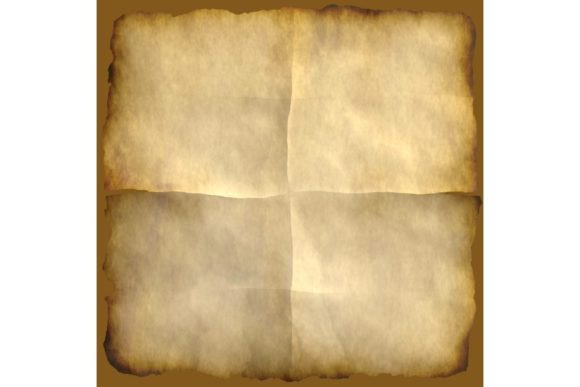
Why Old Paper 402 and a Beige Gradient Texture Transform Creative Projects
Designers, crafters, and content creators often search for that one background that feels timeless yet versatile. Old Paper 402 delivers exactly that—a beige gradient texture with the worn charm of aged parchment. Whether you are building a scrapbook page, designing a book cover, or crafting a video game interface, this specific texture offers a warmth and authenticity that flat colors or generic backgrounds simply cannot match. The subtle tonal shifts in the beige gradient mimic the natural yellowing and fading of real paper, making it feel like a tangible artifact rather than a digital construct.
What Makes Old Paper 402 Stand Out Among Textures
Not all paper textures are created equal. Many stock textures lean too heavily into artificial grunge or repetitive noise patterns. Old Paper 402 avoids that pitfall. Its beige gradient is soft, nuanced, and organic. The transition from a slightly lighter cream at the center to a deeper tan along the edges evokes the natural oxidation and handling that real old paper undergoes. This creates a believable foundation for any project without overwhelming the viewer with heavy stains or aggressive creases.
The resolution matters too. At 3600 x 3600 pixels with 300 dpi, this file provides ample detail for large-format printing. You can blow it up for a poster or use a cropped section for a smaller invitation without losing that tactile, fibrous quality. The high resolution also means you can zoom in for close-up work—like a CD cover detail or a blog banner focal point—and still see the subtle gradient shifts that make the texture feel real.
The Beige Gradient as a Design Foundation
Beige is a neutral that works with nearly every color palette, but a gradient adds depth that a solid beige cannot. The gentle darkening toward the edges of Old Paper 402 creates a natural vignette effect. This draws the eye inward, making it ideal for placing text, illustrations, or photographs in the center. If you are designing a wedding invitation or a vintage-style card, this gradient helps the foreground elements pop while the background remains present but unobtrusive.
For scrapbooking enthusiasts, this texture solves a common problem: finding a background that feels cohesive across multiple pages. Using Old Paper 402 as a base layer ties together different embellishments, stickers, and handwritten notes. The beige gradient adapts well to both monochromatic themes and more vibrant accents. Pair it with deep burgundy, forest green, or navy blue for a classic vintage look, or use it with soft pastels for a shabby-chic aesthetic.
Practical Uses Across Different Creative Fields
The versatility of Old Paper 402 is one of its strongest selling points. Let us walk through some specific scenarios where this texture shines.
Print and Publishing
Book covers, whether for fiction, poetry, or historical nonfiction, benefit enormously from a textured background. A beige gradient paper texture suggests age, wisdom, and story. If you are self-publishing a novel set in the past, using Old Paper 402 as the cover background—or even as a chapter divider—immediately signals the era to the reader. For poetry collections, the soft gradient evokes a handwritten, intimate feel. You can overlay title text in a serif font, add a subtle shadow, and the result looks professionally designed without excessive layering.
Posters and printing projects also gain from this texture. Unlike a flat white or cream poster, a beige gradient background catches light differently when printed. The subtle variation in tone hides minor smudges or fingerprints, which is practical for physical posters that will be handled or displayed in high-traffic areas. Whether it is a concert poster, an art show announcement, or a motivational print, Old Paper 402 adds a tactile quality that engages viewers before they even read the content.
Stationery, Cards, and Invitations
There is a reason vintage-style stationery never goes out of style. People are drawn to the warmth and nostalgia of aged paper. Using Old Paper 402 for wedding invitations, birthday cards, or thank-you notes gives recipients the sense that they are holding something special. The beige gradient works beautifully with foil stamping—gold, copper, or silver foil pops against the soft brown tones. For digital invitations, you can use the texture as a background and pair it with elegant script fonts for an instant heirloom look.
If you run a small stationery shop or create custom card designs, this texture can be a consistent branding element. Customers will start to associate that warm, aged look with your work. And because the gradient is subtle, it won't compete with intricate border designs or hand-drawn illustrations.
Digital Media and Gaming
Video game designers and UI/UX creators often search for textures that feel immersive without being distracting. Old Paper 402 is an excellent choice for game menus, loading screens, map backgrounds, or in-game letters and documents. A fantasy RPG, for instance, can use this texture for quest journals or lore pages. The beige gradient mimics the look of parchment, helping players suspend disbelief and feel like they are uncovering ancient secrets. Even for modern indie games, a paper texture can add a handcrafted, artistic quality that sets the game apart.
Blog banners and social media graphics also benefit. A lifestyle blogger focusing on vintage decor, history, or classic literature can use Old Paper 402 as a consistent backdrop for quote graphics, featured images, or header designs. The texture adds visual interest without cluttering the composition. Because it is a single file with a natural gradient, it loads quickly and scales well across different screen sizes.
Quality and Resolution Considerations
When choosing a texture, resolution is not just a technical spec—it is a creative limitation or opportunity. The 3600 x 3600 pixel dimensions of Old Paper 402 give you the freedom to crop, rotate, and resize without pixelation. At 300 dpi, this file is print-ready for professional projects. You can use it for a full-page book cover, a large poster, or even a fabric print for clothing or accessories. The high resolution ensures that the gradient remains smooth and the paper texture fibers stay sharp, even when viewed up close.
For clothing and fashion design, a high-resolution texture like this can be used as a digital print on fabric. Imagine a scarf, tote bag, or dress panel that features the aged paper look. The beige gradient is neutral enough to work as a standalone print or as a base for overlaid patterns. Fashion designers experimenting with historical or literary themes will find this texture invaluable for creating cohesive collections.
Pattern designers, too, can use Old Paper 402 as a background for repeating patterns. Because the gradient is smooth, you can tile it seamlessly or use it as a base layer behind floral, geometric, or abstract motifs. The texture adds depth and prevents flatness in the final pattern.
Working with Old Paper 402 in Modern Workflows
Integrating this texture into your workflow is straightforward, whether you use Adobe Photoshop, Illustrator, Canva, Procreate, or Affinity Designer. Because it is a single JPG file, you can simply place it as a layer and adjust the blend mode, opacity, or color overlay to match your project. Many designers find that setting the blend mode to Multiply over a colored background creates interesting variations, while using it at full opacity preserves the authentic beige gradient.
One practical tip: if you want to customize the color, you can apply a Hue/Saturation adjustment layer in Photoshop to shift the beige toward warmer or cooler tones. This gives you variations of Old Paper 402 without needing multiple files. For a sepia-toned look, increase the warmth slightly. For a cooler, more aged gray-beige, reduce the saturation and add a touch of blue. This flexibility means one texture file can serve many projects.
Another consideration: pairing this texture with other elements. Because the gradient is soft, it works well with bold typography, intricate line art, and even photographic elements. The key is to let the texture breathe. Do not overlay too many busy patterns on top of it, or you will lose the subtle gradient effect. Instead, use it as an anchor—a consistent, calming background that supports your main design elements.
Why This Texture Appeals to a Wide Audience
Part of the appeal of Old Paper 402 is its universality. Art directors appreciate its authenticity and high resolution. Hobbyist scrapbookers love that it adds a vintage feel without requiring them to distress paper by hand. Graphic designers value how easily it integrates into digital layouts. And fashion and product designers see its potential for creating tactile, printed goods. The beige gradient is forgiving—it works with both minimalist and maximalist design approaches.
For anyone creating materials that need to evoke memory, history, or craftsmanship, this texture is a shortcut to that emotional response. The human eye is drawn to warmth and texture, and aged paper triggers associations with handwritten letters, old books, and cherished documents. Using Old Paper 402 taps into that nostalgia, whether the final product is a wedding invitation, a video game interface, a book cover, or a fabric print.
If you are unsure how to start, try dropping the texture into a simple project: a quote graphic with a serif font, or a mock-up of a vintage book cover. You will quickly see how the beige gradient transforms the composition. It adds depth, character, and a sense of permanence. And because the file is large and high-resolution, you can experiment freely without worrying about quality loss.
In a world of flat, overly polished digital designs, the warmth of Old Paper 402 offers something refreshingly tangible. It reminds us of the beauty of imperfection, the passage of time, and the stories that old paper can tell. Whether you are designing for print, screen, or fabric, this texture gives your work a foundation that feels real, welcoming, and timeless.