Normal People Scare Me All the Time SVG: What to Know Before You Download, Cut, and Create
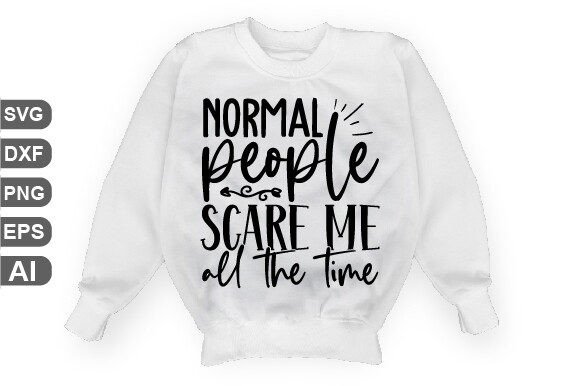
There’s a certain humor in the phrase “Normal People Scare Me All the Time” that resonates with many crafters, designers, and small business owners. It captures a feeling that’s just edgy enough to be relatable without being offensive. That’s why the Normal People Scare Me All the Time SVG has become a go-to design for T‑shirts, mugs, wall art, and decals. But as with any digital product, the difference between a beautiful finished project and a frustrating waste of material often comes down to a handful of small, easily overlooked details.
Whether you’re a seasoned professional or a hobbyist using a Cricut or Silhouette for the first time, a few common mistakes can trip you up. This article walks through the most frequent errors people make when working with this specific SVG set—and, more importantly, how to avoid them so you get exactly the polished result you’re picturing.
Mistake #1: Assuming the SVG File Is Ready to Cut Without Checking Layers
One of the most common misunderstandings about SVG files sold online is that every single one opens in your cutting software perfectly separated and ready to go. The Normal People Scare Me All the Time SVG product includes a Word By Layer SVG file, which is specifically designed for Cricut and other cutting machines that benefit from each word or element being a distinct layer. But if you don’t check the layer structure before you hit “cut,” you might end up with a single solid shape that doesn’t reflect the intended design.
For example, the phrase “Normal People Scare Me All the Time” might be arranged in multiple lines with different font sizes. If you open the wrong variant—say, a standard single-layer SVG—your machine will try to cut the entire phrase as one piece, which can cause thin letters to tear or shift. The fix is simple: always use the Word By Layer SVG from the included zip file when you’re cutting separate colors or materials. Open it in your software (Cricut Design Space, Silhouette Studio, etc.) and verify that each word is on its own layer. A quick check saves you a ruined sheet of vinyl.
Mistake #2: Ignoring the File Format That Matches Your Machine
Your purchase includes one zip file with five formats: SVG, DXF, PNG (300 DPI, transparent background), EPS, and AI. That’s a generous bundle, but it’s useless if you grab the wrong one. Beginners often assume that SVG is universal, and while it works for many machines, it’s not always the best choice. For instance, the DXF file is specifically structured for Cricut’s older software versions and can also be a solid fallback for Silhouette users who prefer a simpler import. The EPS and AI files are vector sources best suited for Adobe Illustrator or Inkscape if you plan to edit the design further.
What happens when you choose the wrong format? You might get error messages, missing lines, or text that doesn’t weld properly. One crafter I know spent an hour trying to import the AI file into her Cricut app—it simply wouldn’t open. She had overlooked the DXF in the same folder. The lesson: before you unzip, decide whether you’re cutting, printing, or editing. If you’re cutting on a Cricut, use the SVG (or DXF if the SVG gives trouble). If you’re using Silhouette, the SVG works too, but DXF is often more reliable for older versions. Keep all the formats saved in a dedicated folder—they each serve a distinct purpose.
Mistake #3: Overlooking the PNG’s Transparent Background for Print‑and‑Cut Projects
The PNG file included is 300 DPI with a transparent background. That’s a huge advantage for projects like printable decals, stickers, or sublimation prints. Yet many people either ignore the PNG entirely or use it without checking that transparency is intact. If you accidentally open a PNG that has a white background (which can happen with some image viewers), and then you run a print‑and‑cut, you’ll end up with a white halo around your design—especially noticeable on dark colored paper or fabric.
The better approach: after extracting the PNG from the zip, open it in a program that actually shows transparency (like Photoshop, Paint.NET, or even the preview on a Mac). Look for the checkerboard pattern or a transparent layer indicator. If the background appears white, it may have been flattened unintentionally—download the file again, or use the SVG to export a fresh PNG at 300 DPI using your preferred vector software. Taking thirty seconds to confirm transparency can save you from a batch of misprinted products.
Mistake #4: Resizing the Design Without Locking Proportions
“Normal People Scare Me All the Time” is a phrase with a specific rhythm, and the SVG’s layout plays with font sizing and line breaks for visual impact. When resizing the design to fit a mug, shirt, or tote bag, one of the most frequent errors is stretching the width or height independently. I’ve seen people drag a corner handle incorrectly, turning the “Normal” text into a squished, unreadable mess. The result looks amateurish and can ruin the entire project.
Always use the lock aspect ratio function in your software. In Cricut Design Space, click the padlock icon between the width and height fields. In Silhouette Studio, hold down the Shift key while dragging a corner handle. If you need the design to be a specific width, let the height adjust automatically. If the layout doesn’t fit your blank perfectly, consider adjusting the canvas size or using a multi‑line version from the word‑by‑layer file to reflow the text manually. A proportional resize keeps the design’s character intact and your letters crisp.
Mistake #5: Cutting Directly on Expensive Material Without a Test Cut
This mistake isn’t unique to this SVG, but it’s especially painful when you’ve spent time organizing the layers. The Normal People Scare Me All the Time SVG contains fine details (letter counters, thin parts in script fonts, etc.) that require fine‑tuned cut settings. If you load a sheet of expensive holographic vinyl or heat transfer material and cut without testing, you risk tearing, lifting, or incomplete cuts.
The better habit: always run a test cut on a small scrap of the same material (or a similar paper/vinyl) before committing. Use the exact same blade type, pressure, and multi‑cut settings you plan to use for the final piece. This is especially important if you’re layering multiple colors from the word‑by‑layer file, because each layer may require slightly different pressure if the material is different. A quick test cut takes five minutes and can save you from wasting an entire sheet of material.
What to Check Before Your First Cut
Before you begin any project with this SVG, run through a short checklist. First, confirm the file format you need; if you’re cutting, SVG or DXF is preferred. Second, open the word‑by‑layer file and verify that each element is on its own layer—this prevents you from accidentally cutting an unwanted shape. Third, review the PNG if you’re printing, and ensure the background is truly transparent. Fourth, set your design dimensions and lock the proportions. Fifth, perform a test cut on scrap material to dial in the perfect pressure and speed. Taking these five steps seriously will make the difference between a finished product you’re proud to sell or gift and a scrap bin full of regret.
The Normal People Scare Me All the Time SVG is versatile enough for everything from tea towels to T‑shirts to decals for laptops and water bottles. With the right preparation, you can avoid the common pitfalls that snag even experienced crafters. Take a few extra minutes to check your file, test your settings, and work with the formats you know your machine loves. The result will be a clean, professional project that actually delivers on that clever phrase—without scaring you away from trying again.