Rose Flower Design and Flower Clipart: What to Know Before You Download
Rose flower design and flower clipart are among the most widely used visual elements in digital and print projects. From wedding invitations and greeting cards to social media posts, product packaging, and website banners, floral imagery adds warmth, elegance, and a natural touch that resonates with audiences. A well-crafted rose flower design can elevate a simple layout into something memorable, while poorly chosen clipart can make even a professional project feel off.
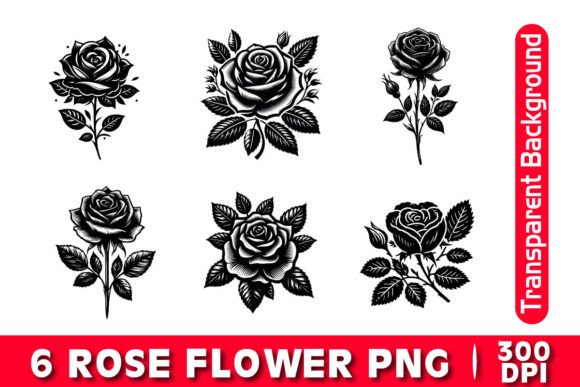
Many creators, small business owners, marketers, and hobbyists turn to digital downloads for convenience and affordability. A typical offer includes a single .zip file containing six PNG files at 300 dpi, ready for immediate use. That simplicity is appealing, but it also leads to common oversights that affect the final result. Understanding what you are actually getting and how to use it well makes the difference between a design that works and one that falls flat.
What Rose Flower Design and Flower Clipart Really Offers
Rose flower design clipart typically refers to pre-made digital illustrations of roses rendered in various styles—realistic, watercolor, line art, vintage, or modern vector-inspired looks. The PNG format with 300 dpi resolution means each image has a transparent background and a print-ready resolution. This makes it easy to layer the rose onto different backgrounds, combine with text, or incorporate into larger layouts without worrying about white boxes or pixelation.
People are drawn to this type of clipart because it saves time. Instead of hiring an illustrator or spending hours drawing from scratch, you can drop a professional-looking rose into your project and move on. For entrepreneurs creating product mockups, bloggers enhancing featured images, or educators preparing classroom materials, that efficiency is valuable. But the ease of use can also mask important details that deserve attention before you click download.
Overlooking Resolution and Actual File Quality
One of the most frequent misunderstandings is assuming that "300 dpi" automatically guarantees high quality. While 300 dpi is the standard for print, the actual pixel dimensions of the file matter just as much. A PNG file that is only 200 by 200 pixels at 300 dpi will look tiny and blurry when scaled up for a poster or a large banner. Conversely, a file that is 3000 by 3000 pixels at 300 dpi gives you flexibility for both digital and print use.
What to check before downloading: Look at the pixel dimensions listed in the product description. If they are not provided, ask the seller or look for customer reviews that mention sizing. For most projects, you want a minimum of 1200 pixels on the longest side for decent print results. For larger formats, aim for 2400 pixels or more. This small upfront check saves you from ending up with clipart that looks great in the thumbnail but falls apart when you try to use it.
Ignoring the Style Consistency of Your Rose Flower Design
Another common mistake is mixing clipart styles that clash. A single rose flower design may come in six variations, but those six files often share a consistent artistic style. The trouble starts when you try to combine that set with other clipart from different sources. A highly detailed watercolor rose placed next to a flat, minimalist line-art leaf can create visual dissonance that distracts from your message.
Better approach: Before you purchase a set, consider the overall aesthetic of your project. If you are building a brand identity or a cohesive marketing campaign, stick with clipart that shares a similar level of detail, color palette, and artistic treatment. For casual or personal projects, mixing styles can work, but do it intentionally rather than by accident. When you open the .zip file and see the six PNG files, take a moment to evaluate whether they fit together as a family or feel disjointed.
Assuming All PNG Files Have True Transparency
PNG format supports transparency, but not all PNG clipart files are created equal. Some may have a white or off-white background that was not fully removed, or the edges may have rough halos from poor masking. This becomes painfully obvious when you place the rose onto a colored or textured background. Instead of blending seamlessly, the image shows a faint border or unwanted fringe.
How to avoid this: Open the file in your design software and test it against a dark background and a light background. If you see jagged edges or leftover background remnants, you may need to spend time cleaning it up or find a better source. Reputable clipart sellers take care to export clean transparency, and user reviews often mention this detail. Do not assume that because it says "PNG" the transparency is flawless.
Neglecting to Check File Naming and Organization
When you download a .zip file with six PNG files, the filenames matter more than you might think. Some sellers use generic names like "rose01.png" or "flower_clipart_v3.png," which makes it hard to locate the right version later. Worse, if the files are not consistently named, you may accidentally use the same rose twice or struggle to remember which one had the darker petals.
Practical advice: Before purchasing, look at sample images or descriptions that show the file naming convention. Well-organized sets often include descriptive names such as "red_rose_side_view.png" or "pink_rose_top_view.png." If the set you are considering has vague filenames, you can rename them yourself after downloading, but that adds extra work. For professionals managing multiple projects, clear naming saves time and prevents errors.
Licensing and Usage Rights
Digital downloads of rose flower design and flower clipart usually come with a license that specifies how you can use the files. Some licenses allow commercial use, meaning you can put the clipart on products you sell. Others restrict use to personal projects only. A surprising number of small business owners and freelancers assume that because they paid for the download, they can use it anywhere. That assumption can lead to copyright issues down the line.
What to look for: Read the license terms before you complete the purchase. Look for clear language about commercial use, attribution requirements, and whether the clipart can be used in templates you sell. If the license is vague or missing, contact the seller or choose a different source. Respecting licensing is not just about legality—it also supports the creators who make these designs available.
Color Variations and Editability
Most flower clipart sets come in a fixed color palette. If the set includes a red rose, a pink rose, and a white rose, you are limited to those options unless you edit the files yourself. While PNG files with transparency can be recolored in some software, the process is not always straightforward, especially with complex shading or watercolor textures.
Better approach: Consider whether you need the ability to recolor the roses. If your project requires a specific brand color or a custom palette, look for clipart that is offered in grayscale or line-art form, which is easier to recolor. Alternatively, check if the seller offers a vector format such as SVG alongside the PNG files, since vectors allow unlimited color changes without quality loss. The .zip file you receive may only contain PNGs, but knowing your options beforehand helps you choose the right product the first time.
Compatibility with Your Software and Workflow
PNG files at 300 dpi work well in almost any design application, from Canva and Adobe Photoshop to Affinity Designer, Procreate, and even Microsoft Word. However, the way you intend to use the clipart should guide your choice. If you plan to scale the rose to very large sizes or edit individual petals, a raster PNG will eventually show pixelation. For those scenarios, a vector-based clipart set would be more suitable.
Practical tip: Think about your typical project size before you buy. For social media graphics, small flyers, and digital presentations, a high-resolution PNG is perfect. For billboards, large banners, or detailed print work, consider clipart that includes an editable vector format. If the product description only mentions PNG and you need more flexibility, keep looking or prepare to work within those limitations.
How to Make the Most of Your Rose Flower Design Clipart
Once you have downloaded your .zip file and extracted the six PNG files, take a few simple steps to get the best results. First, organize the files into a folder on your computer with a clear name like "Rose Clipart - Red and Pink Set." This prevents you from losing them among hundreds of other downloads. Second, open each file in your design software and check the quality against a dark and light background as mentioned earlier. Address any issues before you start building your project.
When layering the rose onto a background, use subtle shadows or glow effects to help the clipart feel grounded rather than floating. A well-placed drop shadow or a slight color overlay can make a flat PNG look like part of the original design. Avoid overusing effects like heavy outlines or excessive blending modes, which can cheapen the appearance of an otherwise beautiful rose flower design.
For entrepreneurs and small business owners, consistency across your materials matters. If you use one rose clipart for your logo, another for your business card, and a third for your website banner, the lack of cohesion can weaken your brand identity. Choose one set and use it across all your touchpoints, or deliberately curate a small collection that shares a common visual language.
Educators and hobbyists can also benefit from this approach. A consistent floral theme in classroom materials, worksheets, or personal journals creates a polished look that feels intentional. Even if your audience never consciously notices the consistency, they will perceive the overall quality as higher.
Final Thoughts on Choosing Rose Flower Clipart
Rose flower design and flower clipart remain a smart, time-saving choice for countless creative projects. The convenience of a digital download—six PNG files at 300 dpi in one .zip file—is hard to beat. But the difference between a project that looks professional and one that looks rushed often comes down to the details you check before you click purchase. Resolution, transparency, style consistency, licensing, and file organization all play a role in your final result.
By taking a few extra minutes to evaluate these factors, you avoid the frustration of low-quality output, wasted time on editing, or legal uncertainty. Whether you are a seasoned designer or someone creating your first marketing material, thoughtful selection of your rose clipart ensures that the beauty of the flower enhances your work rather than distracting from it. The right rose design does not just decorate a page—it communicates care, attention, and purpose. And that is something every creator, entrepreneur, and educator can benefit from.